
Surfing, Hiking, and Working: A Week in Gran Canaria
There’s a moment most remote workers in Gran Canaria describe the same way. You close your laptop at 5pm. Twenty minutes later you’re in the ocean. Not metaphorically — literally in the Atlantic, watching the sun drop behind Tenerife on the horizon.
This is what makes Gran Canaria different from other “digital nomad destinations.” It’s not just about the coworking spaces or the WiFi speeds (though both are solid). It’s about what happens between the work hours.
Here’s what a real week looks like — the kind that makes you extend your stay by a month.
Day 1–2: Land, Settle, Find Your Rhythm
Most flights from Northern Europe land at Gran Canaria Airport in the afternoon. Direct from London: 3h 45min. Berlin: 4h 30min. Amsterdam: 4h. By evening, you’re in Las Palmas.
The first two days are for getting oriented. Las Palmas is a proper city — 380,000 people, a functioning metro-style bus network, four-kilometre urban beach — but it becomes navigable quickly. Most nomads end up in Triana, Guanarteme, or around Las Canteras beach.
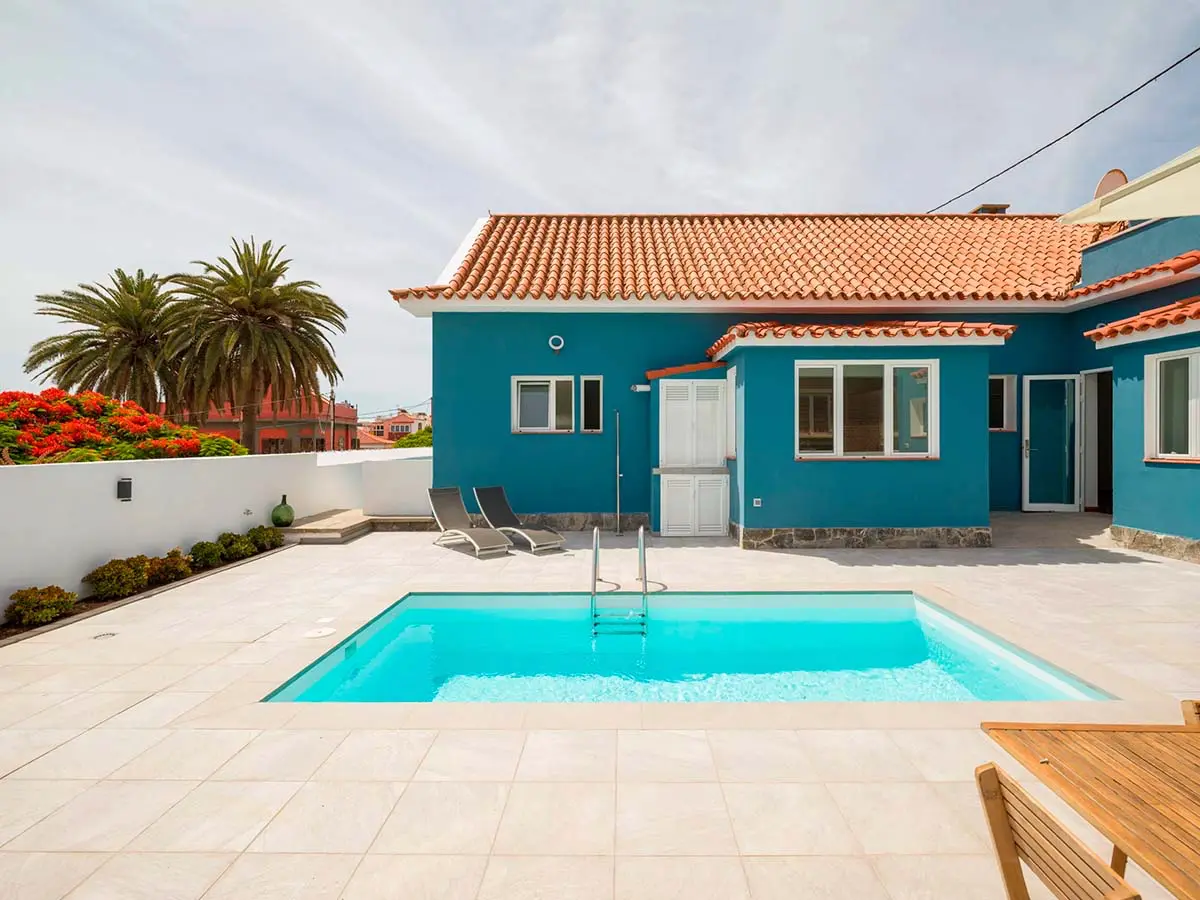
If you’re staying at El Cabo coliving with Repeople, you’ll have coworking access from day one. Don’t rush to be productive. Spend the first evening walking Las Canteras, eating papas arrugadas at a local bar, and going to bed early. The island works better when you’re rested.
Practical: Getting Around
- The airport bus (line 60) goes directly to Las Palmas city centre — €3, 40 minutes
- A taxi from the airport runs €25–€35
- For the first week, your feet and the occasional bus are all you need in Las Palmas
- A rental car becomes worth it from day 3 onwards for island exploration
Day 3: Into the Interior — Roque Nublo and the Pine Forests
Gran Canaria is 1,560 km² of extreme geographic diversity. Thirty minutes from the beach, you’re in pine forests. Forty-five minutes, you’re at altitude. One hour, you’re standing on top of a volcanic rock formation looking at a caldera.
Roque Nublo is the headline hike — a basalt monolith at 1,803 metres that gives you 360° views of the island, including the western peaks of Tenerife on a clear day. The trail from Garañón is around 5km round trip, not technically difficult, but you want proper shoes and a layer for the top.
The drive alone is worth it. The GC-600 road winds through the Caldera de Tejeda, past white villages and dramatic cliff drops. Stop at Cruz de Tejeda for coffee and local cheese (queso de flor de Guía is the one to try).
“I thought I’d be the kind of nomad who just worked from cafés. By week two I’d been hiking every weekend and signed up for a surf lesson I didn’t plan. That’s Gran Canaria.” — Clara, UX designer from Berlin (6-week stay)
Get back to Las Palmas by 4pm, open your laptop for two hours to tie up loose ends, then walk to Las Canteras for a swim before dinner. That’s a Gran Canaria day.
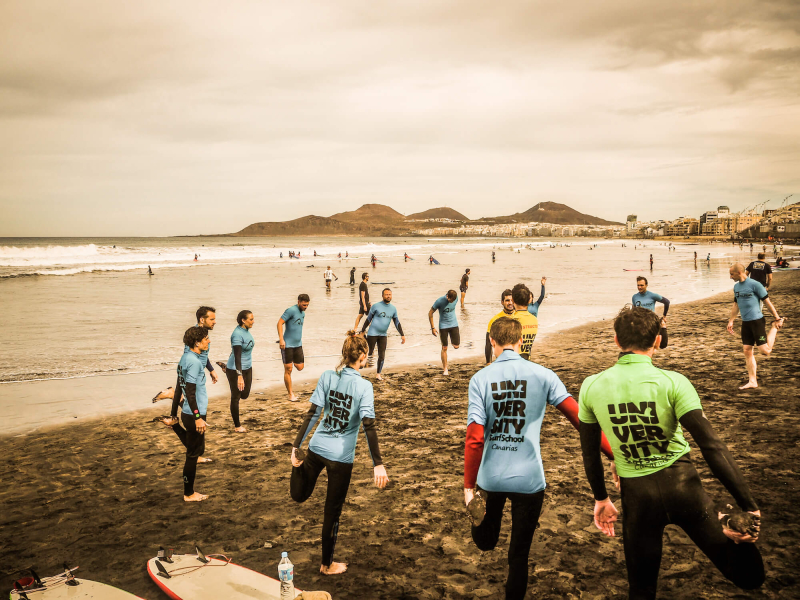
Day 4: Surf Lesson at La Cicer
Las Canteras beach has two zones. The main stretch is calm and protected by a natural reef — it’s where people swim, play padel, and sit at sunset bars. At the northern end, La Cicer is the surf break.
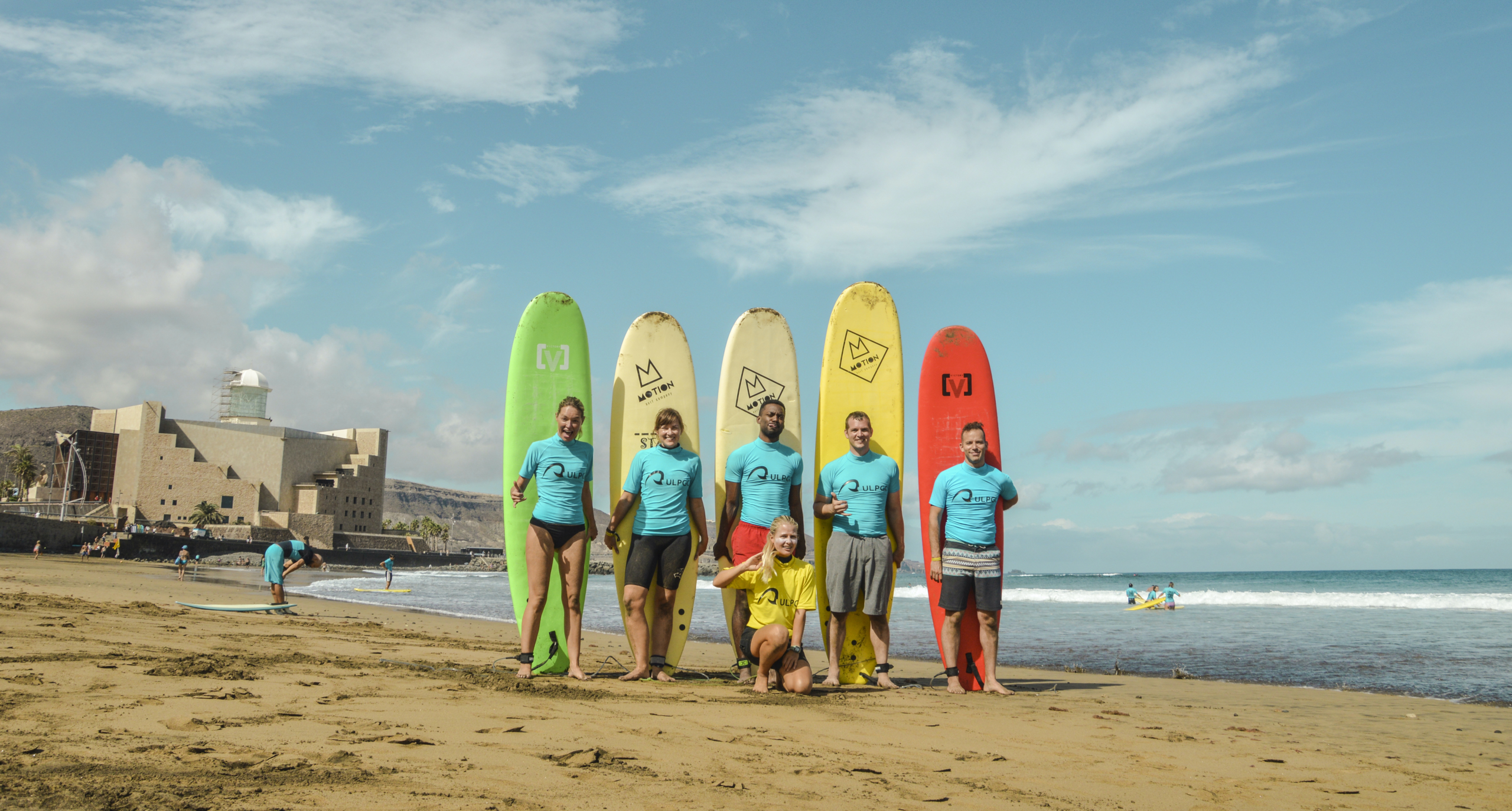
La Cicer works well for beginners and intermediate surfers. The waves are consistent but not overwhelming, and several surf schools operate right on the beach with 2-3 hour lessons that cost €35–€50.
You don’t need to be fit to start surfing. You do need to accept that you will fall off the board approximately twelve times before you catch your first wave, and that this is the point.
For more experienced surfers: the northwest coast (Bañaderos, Galdar) gets better swells and is less crowded. Worth the 30-minute drive for a day trip.
Other Water Activities
- Snorkelling at El Cabrón marine reserve (near Arinaga, southeast) — one of Europe’s best shore dives
- Stand-up paddleboarding on Las Canteras on calm mornings
- Kayaking tours along the coast from several operators near the port
Day 5: Deep Work Day + Evening Community
Not every day should be an adventure. Day 5 is a proper work day.
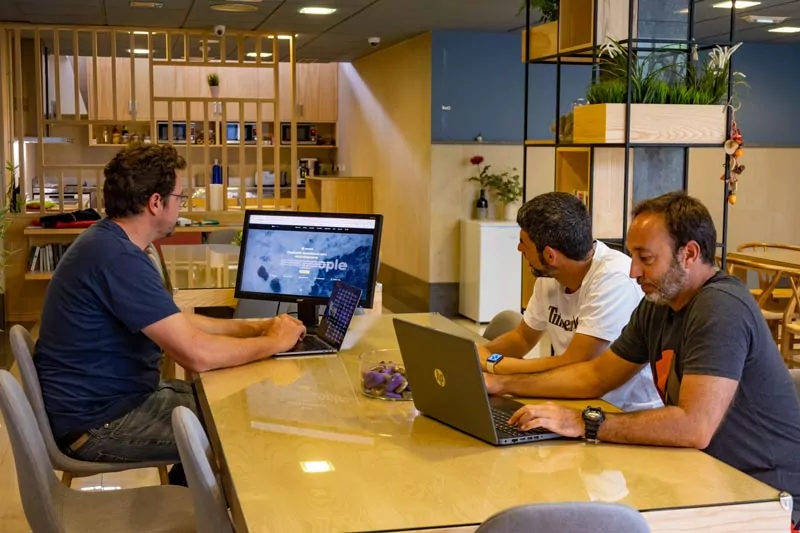
Gran Canaria is in UTC+0/UTC+1, which means for European clients and colleagues, this is the same timezone you’re normally in. 9am standup calls work. London, Berlin, and Amsterdam colleagues don’t need to adjust. This is one of Gran Canaria’s underrated advantages over Southeast Asia — sustainable schedule alignment.
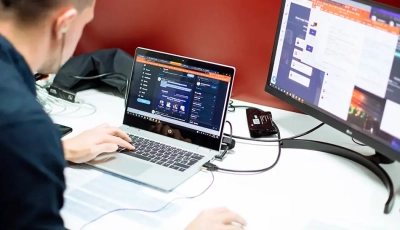
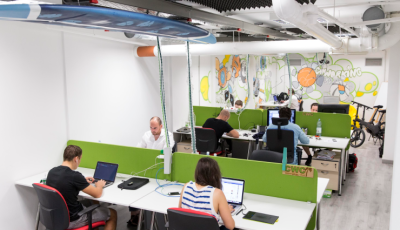
The coliving spaces at Repeople are built for focused work: dedicated desks, fast fibre, meeting rooms, phone booths. No music playing in the coworking area during core hours. Reliable enough for video calls, screen sharing, large file uploads.
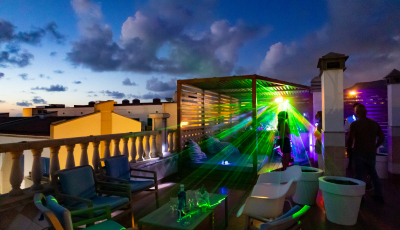
In the evening, the nomad community tends to surface. The Live it Up, Las Palmas Slack group organises regular events — volleyball on the beach, salsa nights, Tuesday meetups at Bar San Remo, weekend hike coordination. You don’t have to engineer social contact; it finds you.
Day 6: South Coast Road Trip — Maspalomas and the Dunes
Take a rental car south. The drive from Las Palmas to Maspalomas is 50km along the GC-1 motorway — 45 minutes with no traffic.
Maspalomas is where Gran Canaria’s tourist infrastructure concentrates — large resort hotels, water parks, the holiday crowds. It’s also where the island’s most dramatic natural feature sits: a 400-hectare sand dune system that looks like it belongs in the Sahara.
The Dunas de Maspalomas are worth seeing. Get there early in the morning (before 9am) to beat the midday heat and the foot traffic. The light on the dunes in early morning is genuinely remarkable.
On the way back north, the east coast road (GC-500) is slower but more interesting — fishing villages, black volcanic cliffs, and the Arinaga lighthouse. Stop at Agüimes for lunch before heading back to Las Palmas.
Day 7: Slow Morning, Last Work Session, Ocean at Dusk
If you’re flying home on day 7, your flight is probably in the late afternoon or evening — most Northern European routes land and depart outside peak business hours.
Use the morning to finish any work with a deadline. Take your laptop to a café on Las Canteras promenade, order a café con leche, and notice how comfortable this has become. Then go for one last swim.
If you’re not flying home, use day 7 to plan week two. Because most people who come for a week end up extending.
The Balance That Makes Gran Canaria Work
Other digital nomad destinations make you choose: work infrastructure or lifestyle. Gran Canaria doesn’t ask you to choose.
The coworking and coliving infrastructure is genuinely good. The outdoor life — surfing, hiking, diving, cycling — is genuinely extraordinary. And the size of the island means you can access both on the same Tuesday.
For nomads who’ve spent time in places where the lifestyle is aspirational but the internet is unreliable, or where the infrastructure is good but the environment is sterile, this combination is unexpectedly rare.
Ready to plan your week? Explore all our colivings →
Practical Notes for Your Week
- Best time to go: Gran Canaria is genuinely year-round. October–April is cooler (18–22°C), May–September warmer (22–26°C). No rainy season to disrupt plans.
- What to pack: Layers for hiking (temperature drops significantly at altitude), surf rash guard, one pair of decent walking shoes. Leave the heavy luggage at home.
- Getting data: Roaming within EU is covered by most European plans. A local SIM (Orange, Vodafone, Yoigo) gets you cheap data for longer stays — around €15–€25/month.
- Car rental: Essential for exploring beyond Las Palmas. Book in advance for weekends. €25–€40/day for a standard car.
Frequently Asked Questions
Is Gran Canaria good for surfing beginners?
Yes. La Cicer at Las Canteras beach is suitable for beginners, with several surf schools operating on the beach. The waves are consistent without being dangerous, and lessons are around €35–€50 for 2–3 hours.
What’s the best hike in Gran Canaria?
Roque Nublo is the most iconic — a 5km return trail to a 1,803m volcanic monolith with 360° island views. The drive through the Caldera de Tejeda is also spectacular. Nublo is manageable for anyone with basic fitness.
Can I work and surf in the same day in Gran Canaria?
Yes, easily. Most coworking spaces have flexible hours. A morning surf session at La Cicer followed by focused work from 10am–5pm is a normal day for nomads based at colivings in Las Palmas.
How do I find the digital nomad community in Gran Canaria?
The main coordination hub is the “Live it Up, Las Palmas!” Slack group, which organises daily events including beach volleyball, hiking, yoga, and social meetups. Coliving spaces like Repeople’s El Cabo also have built-in community events.
Written by the Repeople team. Repeople builds colivings and coworkings for digital nomads in the Canary Islands.